
From a Project Executive in the Southeast:
Question: One of our primary initiatives is implementing more principles of lean construction on-site. We have been struggling to gather feedback from our Hispanic craftworkers. Any suggestions on how to improve engagement?
Answer: Great question. Feedback from the frontline is the fuel that powers lean transformations and the minimization of waste. Continuous improvement comes from the people doing the work.
So when you ask a crew full of Hispanic craftworkers, “What do you guys think?” and get dead silence, it may feel like resistance.
It’s probably not.
More likely, it’s culture.
The core issue: Individualism vs. Collectivism
Uncle Sam-style American managers are wired for individualism.
We expect individuals to speak up, offer opinions, challenge the plan, and be candid in sharing their ideas. If you’ve ever seen a “If you see something, say something!” sign in an airport, that was targeting us gringos.
Hispanic cultures operate from a more collectivist mindset, where harmony within the group matters more than the opinion of any single person.
In a collectivist culture, speaking up without group consensus isn’t ambition—it’s risk. It can feel like showing off, disrupting unity, or putting yourself above your peers.
That means when you ask for open discussion in front of the group, you may unintentionally be asking workers to violate the unspoken rules of their culture.
And they won’t.
So what should you do?
If you want meaningful feedback on systems or processes that increase the eight wastes, stop trying to pull responses from individuals and start structuring feedback around the group.
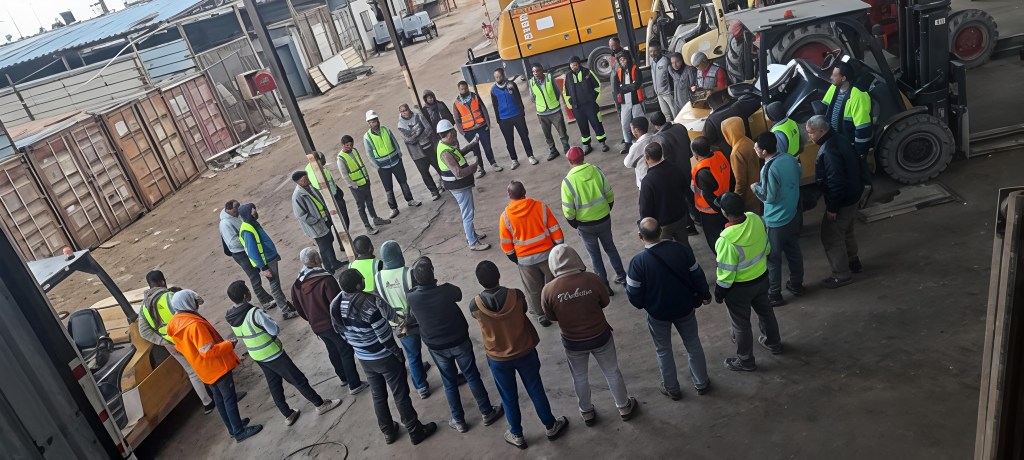
Here are three practical changes to test:
1.Focus on the crew.
Instead of saying, “Any ideas?” try: “Break into groups of four. Write down three ways your crew has been slowed down unnecessarily on this job over the last month. Pick one person to share your answers.”
This structure fits collectivist thinking because the response becomes the voice of the group—not the voice of one guy putting himself out there.
2.Coach the crew, not the individual.
Anglo managers default to one-to-one, face-to-face correction. But in collectivist cultures, correcting one person in front of the group can cause them to lose face.
Instead, pull the entire crew in and say: “Let’s pause for two minutes and review how we’re setting this scaffolding.”
Odds are higher that someone will translate, more people will learn, and no one gets publicly singled out.
3.Identify the real group leader.
Sometimes the foreman isn’t the cultural leader. In most crews, one tenured worker holds the respect of the group. If engagement is low, enlist that person privately: “Can you help me understand the dynamic within the crew and what they think is slowing us down?”
If the pressure for improvement comes from inside the group, behavior changes faster—and with less friction.
Lean implementations don’t fail because workers don’t care.
They fail because leaders assume everyone thinks like Uncle Sam—as individuals.
If your workforce is majority Hispanic, the fastest way to improve lean participation is simple: Motivate in terms of groups.
Train in terms of groups.
Coach in terms of groups.
Reward in terms of groups.
Do that, and you won’t just get better engagement—you’ll get better results.
Thanks for reading.
We’ll see you back here in two weeks.

Subscribe here to get the next edition of Good to Excelente straight to your inbox—cultural intelligence insights and practical advice to help you communicate more effectively, lead inclusively, and build stronger relationships.
Strong teams don’t happen by accident.
The Construction Leadership Podcast gives you tools to lead with clarity and consistency—on demand.
Subscribe here:
Apple Podcasts | Spotify
Copyright © 2026
Bradley Hartmann & Co.
All rights reserved.
Contact Bradley Hartmann:
bradley@bradleyhartmannandco.com
 Good to Excelente Newsletter
Leave a comment