Know someone who’d enjoy The Good to Excelente Newsletter?
Forward this to them so they can subscribe here—and never miss a Wednesday edition packed with cultural intelligence insights and practical advice.
Question: George from Los Angeles writes: “We’re translating our employee handbook and onboarding training materials into Spanish. Can we just use AI for this?”
Great question, George.
It’s one construction leaders are asking almost every day.
The short answer?
Sure.
You can also eat uncooked chicken.
As I write this from Puerto Rico (where my son’s 14U baseball team apparently decided Dallas wasn’t hot enough in July), you can also choose to fall asleep on the beach without sunblock.
The better answer is: It depends on the consequences of getting it wrong.
As a rule, your legal bills will always exceed your translation bills.
If there’s any chance your employee handbook, safety procedures, HR policies, or benefits information could someday be scrutinized in court—or misunderstood by an employee—invest in a professional translation and have it reviewed by someone fluent in both the language and the subject matter.
The same filter applies to onboarding materials.
Ask yourself one question: If this is misunderstood, what’s the worst thing that could happen?
If the answer is confusion during orientation, AI can probably get you 90 percent of the way there.
If the answer is someone gets injured or killed, or misses out on benefits that give you a competitive advantage, don’t stop at AI.
Have a qualified human review every word.
You can fix rework.
You can’t undo a serious injury.
And it’s important to remember, translation is about communicating intent.
Most of us have read something recently and thought, “This has to be AI. Nobody actually edited this.”
That’s exactly how your employees feel when a document sounds unnatural, awkward, or confusing.
The companies we work with invest enormous time building culture, training leaders, and developing people. They know they can undermine all of that by treating communication as an afterthought.
And, I know, some people respond with, “If you’re in America, speak English.”
I understand the sentiment.
It’s also, from a strategic standpoint, unhelpful.
Leaders don’t build teams by wishing the labor market looked different.
They build the best team available.
Look at last year’s World Series champion Dodgers. Their clubhouse included players from the United States, Japan, Venezuela, the Dominican Republic, Cuba, and Puerto Rico.
Different languages.
Different cultures.
Different backgrounds.
Winning organizations invest the time and effort to bridge the differences, not complain about them.
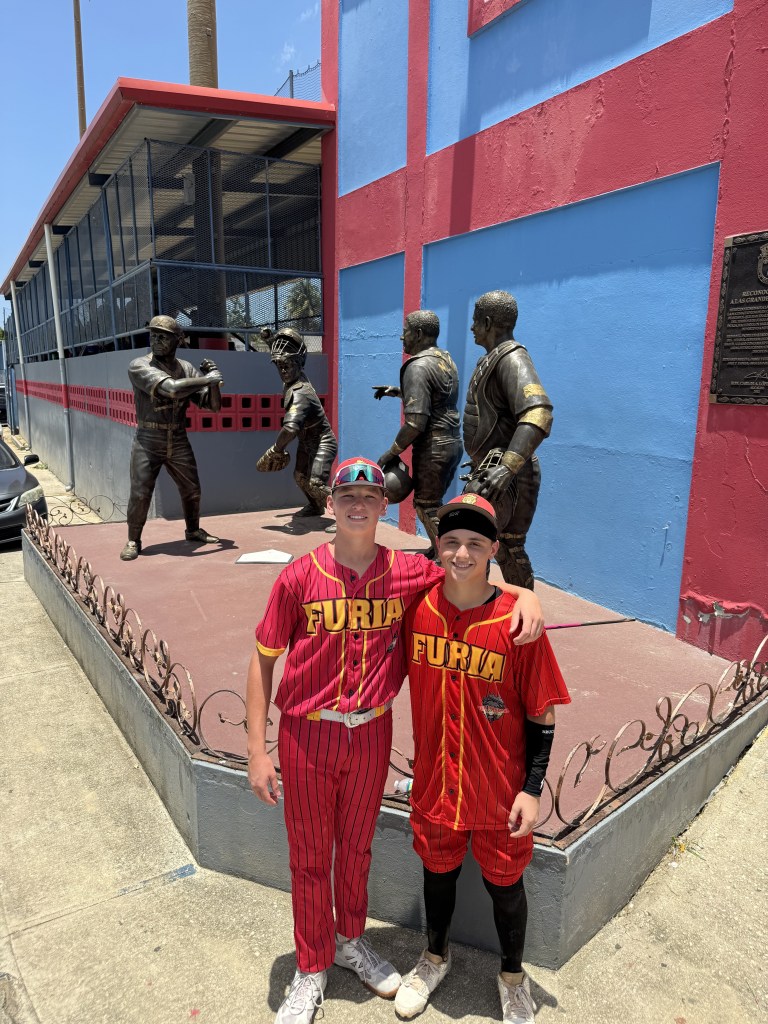
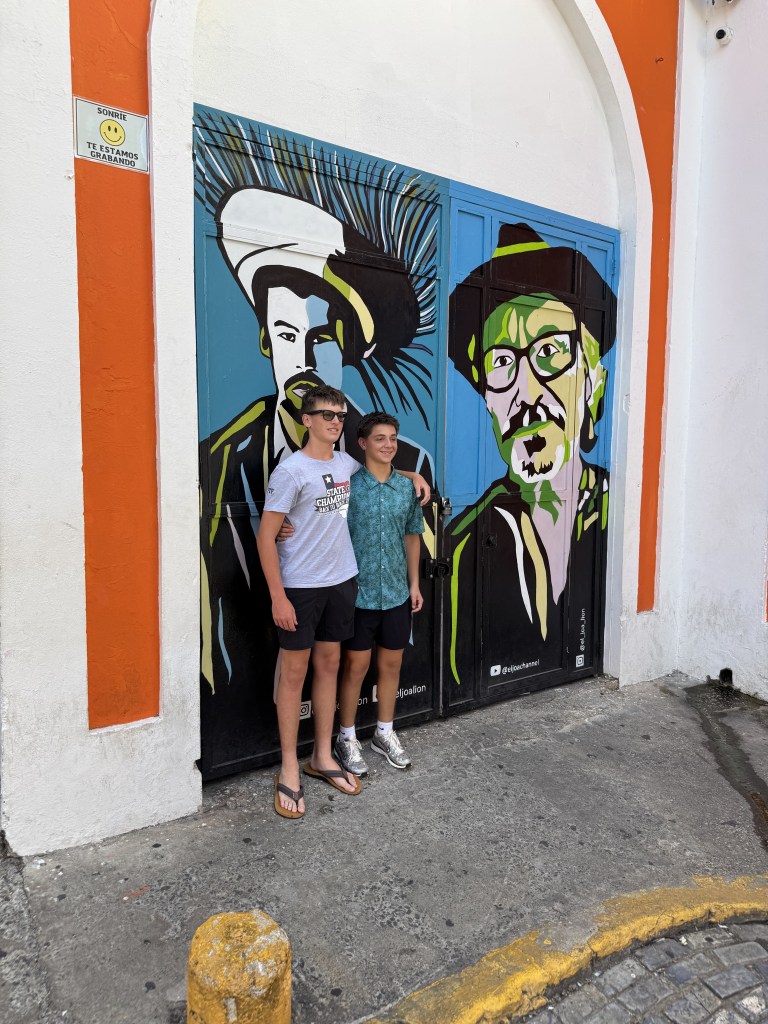
We saw the same thing this week in Puerto Rico. Our Dallas baseball team added several local players to fill out the roster. Their preferred language was Spanish.
So, we adjusted.
We spent extra time reviewing our signs verbally and in writing, and our Dallas kids learned a few baseball phrases in Spanish.
Because whether you’re on the field or in the field, miscommunication almost always shows up as underperformance.
So, George, use AI.
It’s a fantastic first draft.
But don’t confuse a first draft with a finished product.
If the stakes are high, review it with someone who knows both the language and the work.
That peace of mind will be money well spent.
Thanks for reading.
We’ll see you back here in two weeks.

If you lead people, this podcast is for you.
Subscribe to The Construction Leadership Podcast for practical leadership ideas that strengthen teams and organizations.
Subscribe here:
Apple Podcasts | Spotify
Copyright © 2026
Bradley Hartmann & Co.
All rights reserved.
Contact Bradley Hartmann:
bradley@bradleyhartmannandco.com


Leave a Reply