| Know someone who’d enjoy The Good to Excelente Newsletter? Forward this to them so they can subscribe here—and never miss a Wednesday edition packed with cultural intelligence insights and practical advice. |

Walk into a typical construction site trailer and what do you see?
Desks that indicate no shortage of things to do. Whiteboards with scheduling details. Maybe some flatscreen TVs with a live feed of the jobsite.
Lots of safety messaging.
Down the hall, there’s probably a calendar with company holidays. Somewhere near the refrigerator, a handwritten note asking people to stop stealing other people’s lunches.
But here’s something you probably won’t find: a map showing where your employees and teammates come from.
Which is interesting, considering how much time construction companies spend talking about people being their greatest asset—and the ongoing “war for talent.”
(It’s not a war. It’s a market.)
How much do we know about our colleagues beyond the work they do?
Here’s a fun little test to run with your team: Mexico, Puerto Rico, El Salvador, Cuba, and the Dominican Republic are the places of origin for five of the largest Hispanic populations in the United States. Each has its own history, traditions, food, and cultural identity.
How many members of your team could correctly identify all five on a blank map?
And could you name one holiday that’s important to each of those cultures?
Now think about your company’s holiday calendar.
Thanksgiving.
Christmas.
The Fourth of July.
How many of your employees celebrate holidays that didn’t make it onto that calendar?
Or consider your last company lunch.
You order pizza?
Wingstop?
Tacos?
Now, there’s nothing wrong with any of those choices. But imagine asking your employees what foods remind them of home.
Someone from El Salvador might suggest pupusas, thick corn tortillas stuffed with cheese, beans, or meat. A Puerto Rican employee might recommend mofongo, made from mashed plantains. And a Cuban employee might introduce you to ropa vieja, a dish of shredded beef.
You might just discover a new favorite lunch in the process.
These conversations offer an opportunity to learn about the people you work with and the experiences that have shaped them.
And they can start with something as simple as a map.
Hang one in the breakroom.
Invite employees to mark their hometowns with pushpins.
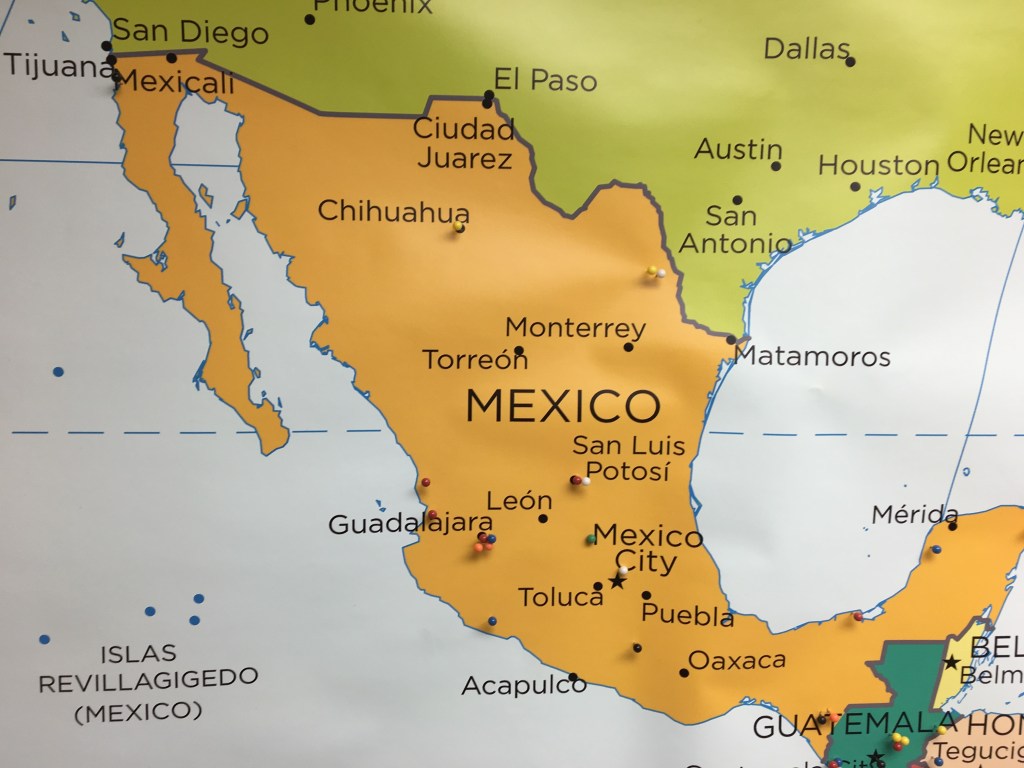
Ask about the places they grew up, the holidays their families celebrate, and the traditions they want to share.
You might discover that two employees who speak Spanish grew up thousands of miles apart, with different customs, experiences, and perspectives.
That understanding can help you build stronger relationships, establish trust, and become a more effective leader.
It’s also the foundation of Understanding the Origins, one of four skill sets in our Good to Excelente Cultural Intelligence framework.
The idea is simple: learning about your Hispanic employees’ cultural backgrounds can help you connect with them and create a workplace where people feel valued.
So, here’s a question worth considering: If someone walked into your workplace tomorrow, what evidence would they find that your organization understands and appreciates the cultural backgrounds of its employees?
Would they see it on the walls, on the company calendar, or at the lunch table?
Here are two next steps:
ONE: Complete our Good to Excelente Diagnostic Tool. Evaluate your organization’s cultural intelligence across four essential skill sets, including Understanding the Origins.
TWO: Get your own ¿De Dónde Eres? poster. Put it up, invite your colleagues to mark their hometowns, and let the conversations begin.
Thanks for reading.
We’ll see you back here in two weeks.

If you lead people, this podcast is for you.
Subscribe to The Construction Leadership Podcast for practical leadership ideas that strengthen teams and organizations.
Subscribe here:
Apple Podcasts | Spotify
Copyright © 2026
Bradley Hartmann & Co.
All rights reserved.


Leave a Reply